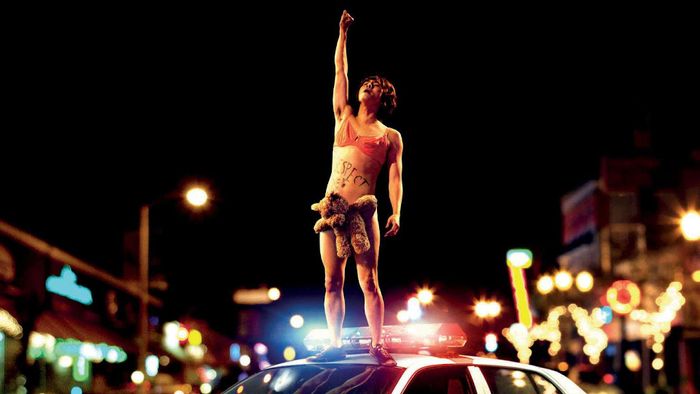
Straight-A college student Jeff Chang has always done what he was supposed to do. But when his two best friends take him out for his 21st birthday on the night before an important medical
school interview, Jeff Chang snaps and decides to do everything he wants to do. What was supposed to be a quick beer becomes a night of humiliation, over indulgence and utter debauchery in
this outrageous comedy about a rite of passage gone so very wrong.
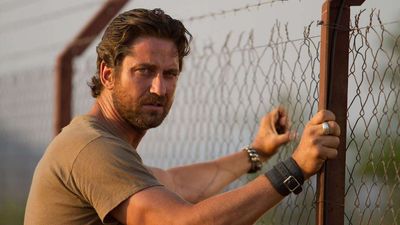
"Act of Valor" follows a Navy Seal squad on a covert mission to recover a kidnapped CIA agent, and in the process takes down a complex web of terrorist cells determined to strike America at
all costs. The filmmakers had unprecedented Naval access resulting in high-octane combat sequences and never-before-seen military operation scenes which are composited from actual events in
the lives of the men appearing in the film and their comrades.
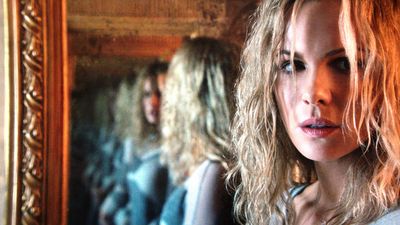
The story of one family's terror-filled encounter within their own home. Looking for a fresh start, Dana (Kate Beckinsale) and David (Mel Raido), together with their 5-year-old son, move into a beautiful old rural home that was everything they dreamed for their young family. Hidden within the attic was a secret room. When frightening and unexplainable events lead Dana to discover the long lost key to this room, she accidentally unlocks a host of unimaginable horrors that reveal the house's past is terrifyingly tied with her own.
Wounded in the war, Tommy Donahue and DD Davis return home from Iraq to the slum neighborhood they grew up in. Tommy returns to his wife, Faith, whom he abandoned while she was pregnant to
escape a life of crime. Tommy meets his disabled six year-old daughter, Hope, for the first time, and she begins to melt his frozen heart. While DD struggles to make an honest living, his
older brother, Darnell, has risen to become the neighborhood kingpin. DD faces the pressure to save his younger brother, James, from following in Darnell.s dangerous footsteps. Tommy and DD
find themselves trapped in the same slum they joined the military to escape. As they struggle for redemption, their own families become entangled in a web of crime, corruption and violence.
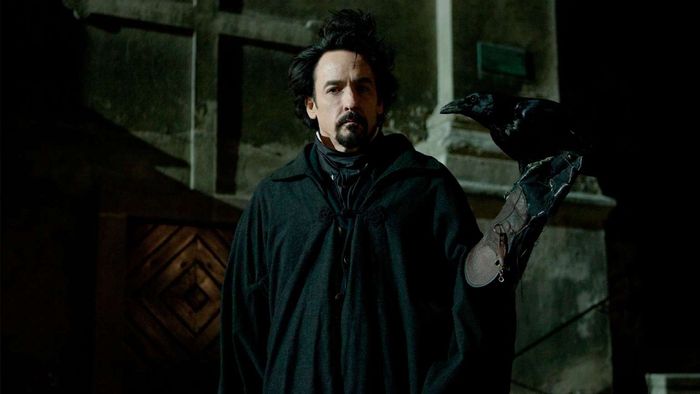
The macabre and lurid tales of Edgar Allan Poe are vividly brought to life - and death - in this stylish, gothic thriller. When a madman begins committing horrific murders inspired by Poe's darkest works, a young Baltimore detective joins forces with Poe in a quest to get inside the killer's mind in order to stop him from making every one of Poe's brutal stories a blood chilling reality. A deadly game of cat and mouse ensues, which escalates when Poe's love becomes the next target.
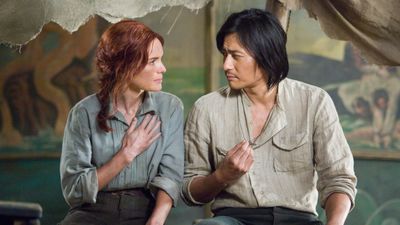
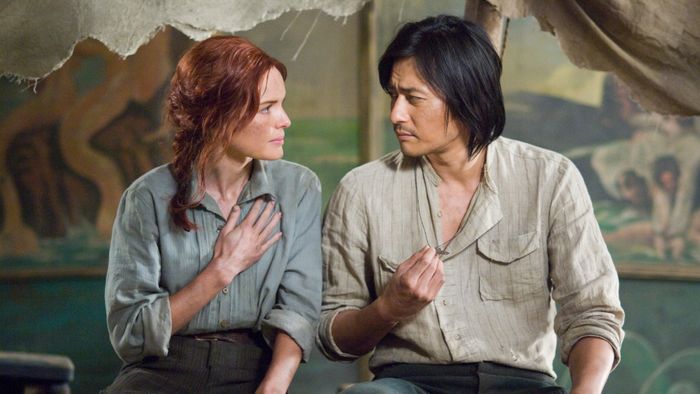
An Asian assassin (Dong-gun Jang) is forced to hide in a small town in the American Badlands. Also starring Kate Bosworth, Danny Huston, Tony Cox and Academy Award winner Geoffrey Rush.
Seeking a fresh start, newly divorced Sarah and her daughter Elissa find the house of their dreams in a small, upscale, rural town. But when startling and unexplainable events begin to happen, Sarah and Elissa learn the town is in the shadows of a chilling secret. Years earlier, in the house next door, a daughter killed her parents in their beds, and disappeared - leaving only a brother, Ryan, as the sole survivor. Against Sarah's wishes, Elissa begins a relationship with the reclusive Ryan - and the closer they get, the deeper they're all pulled into a mystery more dangerous than they ever imagined.
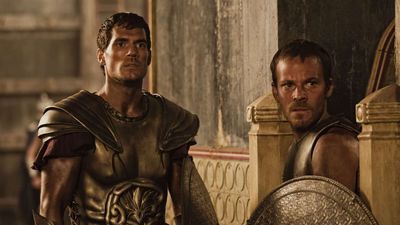
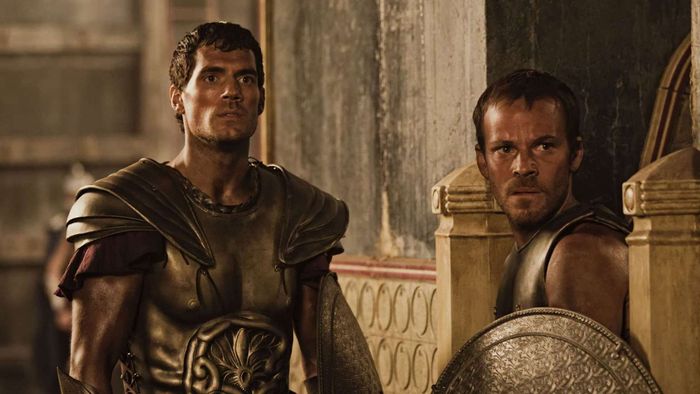
The brutal and bloodthirsty King Hyperion and his murderous Heraklion army rampage across Greece in search of the long lost Bow of Epirus to overthrow the Gods of Olympus and become the undisputed master of his world. With ruthless efficiency, Hyperion and his legions destroy everything in their wake. As village after village is obliterated, a stonemason named Theseus vows to avenge his mother, who was killed in one of Hyperion's brutal raids. When Theseus meets the Sybelline Oracle, Phaedra, her disturbing visions of the young man's future convince her that he is the key to stopping the destruction. With her help, Theseus assembles a small band of followers and embraces his destiny in a final, desperate battle for the future of humanity.
Aspiring author Eddie Morra suffers from chronic writer's block, but his life changes instantly when an old friend introduces him to NZT, a new pharmaceutical that allows him to tap his full potential. With every synapse crackling, Eddie can recall everything he has ever read, seen or heard, learn any language in a day, comprehend complex equations and beguile anyone he meets. Soon Eddie takes Wall Street by storm, parlaying a small stake into millions. But, his accomplishments catch the attention of people willing to do anything to get their hands on his stash of NZT. With his life in jeopardy and the drug's brutal side effects taking their toll, Eddie attempts to hang on to his dwindling supply of NZT long enough to outwit his enemies.
When ex-biker-gang member Sam Childers makes the life-changing decision to go to East Africa to help repair homes destroyed by civil war, he is outraged by the unspeakable horrors faced by the region's vulnerable populace, especially the children. Ignoring the warnings of more experienced aide workers, Sam breaks ground for an orphanage where it's most needed-in the middle of territory controlled by the brutal Lord's Resistance Army, a renegade militia that forces youngsters to become soldiers before they even reach their teens. Determined to save as many as possible, he leads armed missions deep into enemy territory to retrieve kidnapped children, restoring peace to their lives-and eventually his own.
One of the most beloved stories of all time is coming to life in the motion picture event for the whole family, Mirror Mirror. A fresh and funny retelling of the Snow White legend, Mirror Mirror features breakout star Lily Collins as Snow White, a princess in exile, and Oscar®-winner Julia Roberts as the evil Queen who ruthlessly rules her captured kingdom. Seven courageous rebel dwarfs join forces with Snow White as she fights to reclaim her birthright and win her Prince in this magical comedy filled with jealousy, romance, and betrayal that will capture the hearts and imaginations of audiences the world over. The film also stars Armie Hammer as the Prince, and Nathan Lane as the hapless and bungling servant to the Queen.
An outrageous new ensemble comedy starring some of the biggest names in Hollywood. Movie 43 is not for the easily-offended and contains jaw-dropping, sometimes shockingly disturbing, but always entertaining intertwined storylines you'll have to see to believe.
An affirming and suspenseful story about a young woman's struggle to find love again after she arrives in a small North Carolina town. Her reluctance to join the tight-knit community raises questions about her past. Slowly, she begins putting down roots, and gains the courage to start a relationship with Alex, a widowed store owner with two young children. But dark secrets intrude on her new life with such terror that she is forced to rediscover the meaning of sacrifice and rely on the power of love in this deeply moving romantic thriller.
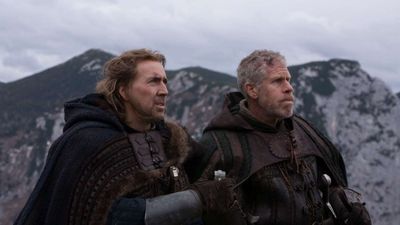
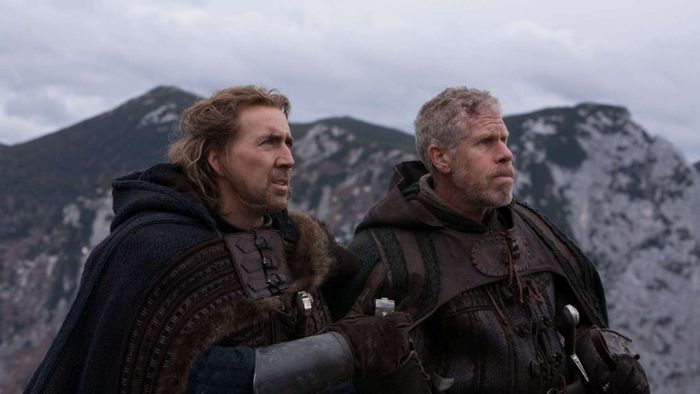
The church elders, convinced that a girl accused of being a witch is responsible for the devastation, command the two to transport the strange girl to a remote monastery where monks will perform an ancient ritual to rid the land of her curse. They embark on a harrowing, action-filled journey that will test their strength and courage as they discover the girl's dark secret and find themselves battling a terrifyingly powerful force that will determine the fate of the world.
Arriving by boat at her family's Louisiana lake island cabin, Sara and her friends quickly strip down to their swimsuits for a weekend of fun in the sun. But when star football player Malik stumbles from the salt-water lake with his arm torn off, the group realizes they have to get Malik to a hospital on the other side of the lake. As they set out in a tiny speedboat, the college friends discover the lake has been stocked with hundreds of massive, flesh-eating sharks! As they face one grisly death after another, Sara and the others struggle desperately to fend off the sharks, get help and stay alive long enough to reach the safety of dry land.
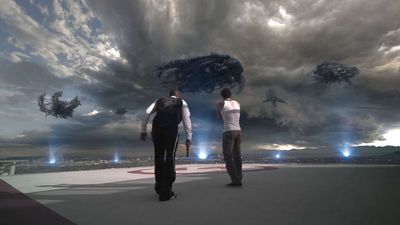
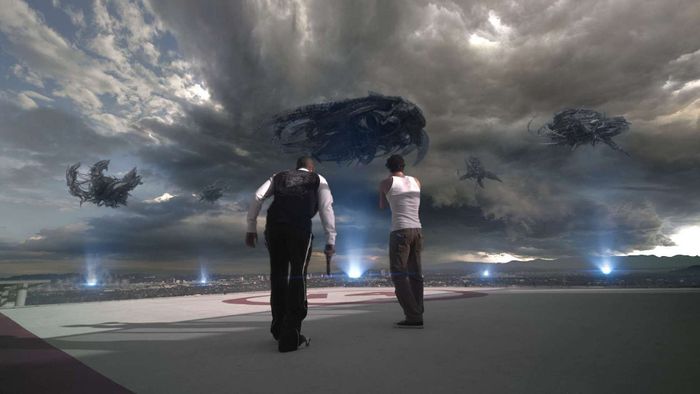
After a late night party, a group of friends is awakened in the dead of the night by an eerie light beaming through the window. Like moths to a flame, people outside are being drawn to strange lights, which have descended upon Los Angeles, and then suddenly vanishing into the air. Survivors must fight for their lives as the extraterrestrial force threatens to swallow the entire human population off the face of the Earth.
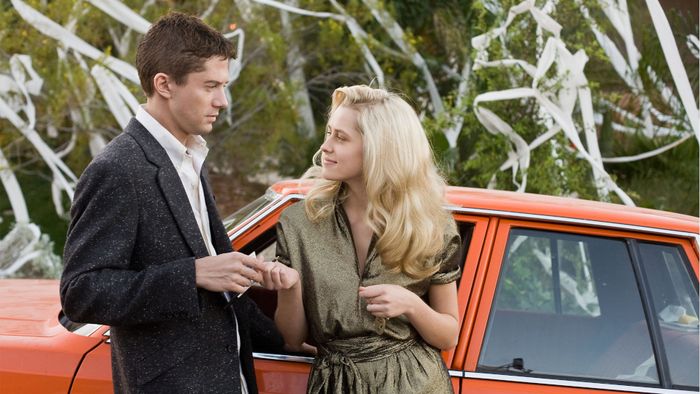
Recent MIT grad Matt Franklin should be working for a Fortune 500 company and starting his upward climb to full-fledged yuppie-hood. Instead, the directionless 23-year-old takes a part-time job behind the counter of a video store at the Sherman Oaks Galleria. But, Matt's silent protest against maturity comes to a screeching halt once his unrequited high school crush, Tori Frederking, walks into the store. When she invites him to an epic, end-of-summer party, Matt thinks he finally might have a chance with the girl of his dreams. With his cynical twin sister Wendy and best friend Barry, Matt embarks on a once-in-a-lifetime evening that will change the course of their lives on one unforgettable night in the Go-Go '80s.